How to Choose Aluminium Perforated Plates?
author: Amber Feng
2024-11-12

Aluminum Perforated Sheets Size and Thickness
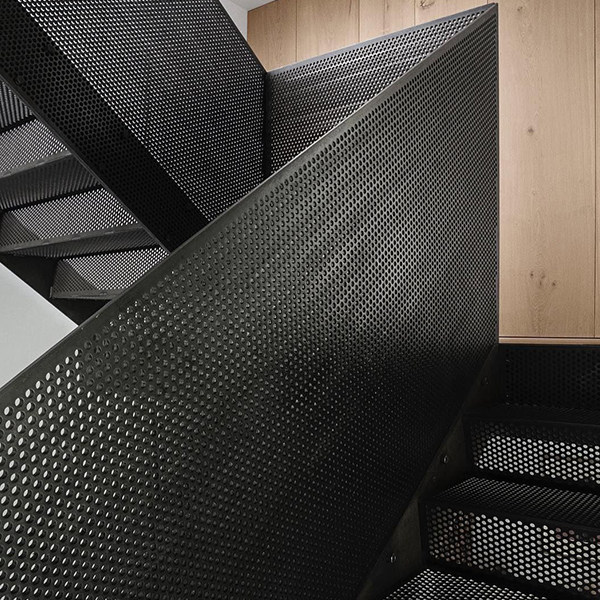
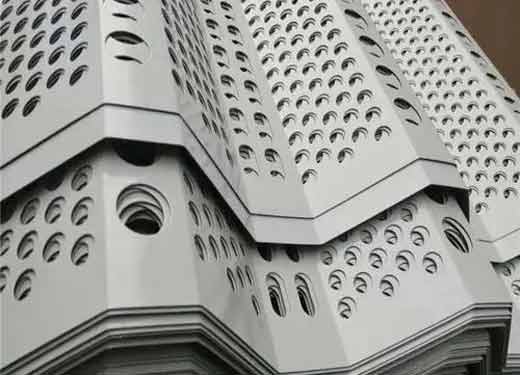
The selection of the aluminum perforated plate's mesh size and thickness will heavily rely on its intended usage. Should you require plates to perform heavy-duty tasks, such as security fencing or machinery guards, it is best to choose a more robust and thick mesh. Conversely, if you are utilizing the plates for ornamental purposes, then a thinner and more delicate mesh may be preferable. Additionally, it is essential to take into account the weight and load-bearing ability of the mesh, particularly if it will be implemented in flooring or walkway applications.
Aluminum Perforated Sheets - Materials and Coatings
Aluminum perforated plates are offered in a variety of materials and finishes, each possessing distinct attributes and visual allure. Among the frequently utilized materials for aluminium perforated plates are aluminum, stainless steel, and galvanized steel. Meanwhile, there are several finishes to choose from, including powder coating, anodizing, and painted finishes. Opting for the ideal material and finish for your project hinges on several factors, including the mesh's intended environment, the desired look, and the level of necessary corrosion resistance.
Installation Requirements of Perforated Plates
The installation prerequisites for aluminum perforated panels will vary based on the individual project and purpose. For instance, when utilizing the mesh as a fence, it's crucial to factor in the positioning of the posts and the fastening techniques. In the case of using mesh in flooring or walkways, it's important to ensure adequate support and meet safety guidelines during installation. To determine the exact installation requirements for your project, it is advisable to seek advice from a seasoned installer or engineer.
Tips for Incorporating Aluminum Perforated Plates into Your Project
Aluminum perforated sheets are a highly adaptable substance that can be applied in countless scenarios, ranging from building facades to indoor decor accents. If you're thinking about incorporating aluminum perforated sheets into your project, below are some helpful suggestions to help you handle this versatile material.
Tools and materials necessary of perforated plates
Prior to commencing your work with perforated aluminium plates, it is imperative that you procure all the requisite equipment and materials. A selection of the essential tools that you shall necessitate comprises:
- Protective eyewear and gloves
- Tape measure
- Writing utensil
- Straightedge or measuring tool
- Metal snippers or scissors
- Angle cutter or power saw with metal blade
- Metal drill and drill bits
- Pop riveting tool and pop rivets
- Screws that tap themselves
- Metal glue or bonding agent (if desired)
Cutting and Shaping Techniques of Perforated Plates
Cutting and shaping aluminium expanded mesh can be challenging due to its thickness and strength. Here are some techniques that can be used to cut and shape the material:
- Shearing: Cutting tools such as metal shears or snips can effectively slice straight lines in aluminium perforated plates. This method is particularly effective on thinner meshes with smaller apertures.
- Cutting: Those looking to create openings in more robust meshes with larger apertures may opt for an angle grinder or circular saw fitted with a blades suitable for cutting metal. Though this technique generates greater heat and noise, it results in a cleaner cut.
- Shaping: Aluminium perforated plates can be manually shaped and bent with pliers, or precise shaping can be achieved using a metal bending machine.
Repairing and Connecting Techniques of Perforated Plates
After you've sliced and formed your aluminium perforated sheets, it's essential to attach them securely to your construction. Various techniques can be used to fix and connect the aluminium perforated plates:
- Pop riveting is a prevalent technique for affixing aluminium expanded mesh to a frame. Employing a pop rivet gun, a metal rivet is inserted through the mesh and into the frame, delivering a swift, effortless, and reliable solution for fixing.
- Self-tapping screws offer an alternative option for fixing aluminium expanded mesh directly onto a substrate, like wood or metal. This method is more suitable for smaller meshes with minor openings.
- Metal adhesive provides a seamless and clean look, making it a perfect option for interior applications requiring an elegant appearance. It can be used to attach the aluminium expanded mesh to a substrate.
Popular science of the perforated panels?
Steel grating introduce
Related Article

What impact will the ongoing La Nina state have on China this winter?
What impact will the ongoing La Nina state have on China this winter?